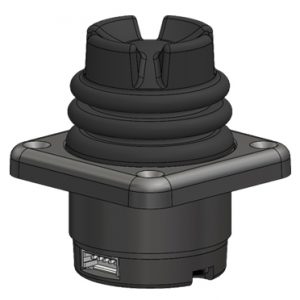
Category Archives: common questions

Can a Hall effect joystick still develop drift?

Can a Hall effect joystick still develop drift?

Gamers and sim pilots praise the hall effect joystick for its smooth response and lack of rubbing parts, yet questions about long-term drift persist.

Under the hood, a hall effect joystick reads magnetic field changes instead of scraping across resistive tracks, which removes a common wear path and reduces noise.

Even with those advantages, a hall effect joystick can misreport center if the magnet shifts slightly, the sensor moves on its mount, or the return spring ages.

Electrical quirks matter too; a hall effect joystick depends on stable voltage and clean signals, so brownouts or EMI can nudge readings off center.

If you are weighing upgrades, a hall effect joystick promises less mechanical wear than older sticks, which makes it attractive for competitive play.

Compared with legacy designs, a hall effect joystick resists dust contamination better, keeping inputs consistent longer between cleanings.

That said, a hall effect joystick can still show minor offset after a drop or sharp impact, which sometimes looks like drift until recalibrated.

To understand root problems, map the response curve and watch whether the hall effect joystick recenters consistently across repeated deflections.

When tiny offsets appear, a quick recalibration can realign the hall effect joystick with your device’s expected zero point, restoring confidence.

If new firmware is available, flashing it may stabilize how the hall effect joystick is interpreted by your platform or game.

A proper enclosure helps; mounting stability ensures the hall effect joystick keeps its magnet-to-sensor gap constant during aggressive inputs.

If you need a quick troubleshooting checklist for any hall effect joystick, start with cables, firmware, calibration, and mechanical recentering.

Modern designs reduce many joystick drift causes without eliminating every possible failure mode, learn more.

Magnet or sensor tolerance variance can create hall effect sensor drift that appears only at certain angles or temperatures.

If your device supports it, run magnetic joystick calibration after transport or temperature swings, visit the site.

Shoppers weighing a hall effect joystick vs potentiometer often see fewer recentering complaints with magnetic sensors over time.

Good habits matter for controller stick drift prevention, including avoiding hard knocks, storing controllers flat, and cleaning around the gimbal, read more.

Software tools that include joystick deadzone calibration can hide small offsets while you diagnose whether a physical issue exists.

Over months of play, hall effect controller maintenance may simply mean periodic recalibration and checking that screws have not loosened.

Do not ignore the mechanics: joystick centering spring wear changes return force and can mimic drift even with perfect sensors, learn more.

If offsets recur, follow a structured hall effect joystick troubleshooting flow to separate electrical, mechanical, and software contributors.

Competitive players often keep a spare hall effect joystick module so they can swap and isolate whether drift follows the stick or the console.

In cross-platform setups, a hall effect joystick may behave differently because each OS filters input uniquely, so compare raw readings.

Testing diagonals helps reveal whether the hall effect joystick has a directional bias, which can indicate magnet misalignment.

After impacts, re-seat connectors and verify that the hall effect joystick still maintains a consistent center across warm-up, visit the site.

Stiffness changes can trick your hands; when tension rises, you might nudge the hall effect joystick off-center subconsciously.

Battery sag in wireless controllers can alter how a hall effect joystick is sampled, creating jitter until you recharge fully.

To protect longevity, avoid torsional twisting of the grip, as that can stress the frame that keeps a hall effect joystick aligned, read more.

If drift appears only in one title, adjust in-game curves first; the hall effect joystick may be fine while the profile is too sensitive.

When tuning sensitivity, remember that a hall effect joystick benefits from narrow deadzones because of low noise, but not zero.

If you experiment with curves, record settings so you can restore your preferred feel if the hall effect joystick starts behaving oddly, learn more.

High humidity can affect controller plastics; expansion could shift how the hall effect joystick centers until conditions normalize.

Cold startups sometimes show small offsets; once warm, a hall effect joystick often returns to exact center as parts settle.

Persistent offset after calibration suggests a mounting issue; check whether the hall effect joystick module rocks in its bracket.

If a gamepad uses interchangeable caps, ensure they do not rub the housing, which can pull the hall effect joystick slightly sideways, visit the site.

For sim rigs, route high-current wires away from the controller; stray fields rarely, but sometimes, tickle a hall effect joystick reading.

Power-cycling can clear cache effects; reboot the host, then test whether the hall effect joystick still shows the same offset, read more.

Keep a log of dates, conditions, and fixes; pattern tracking helps predict when a hall effect joystick requires recalibration.

If you travel often, pack controllers in a rigid case to protect the hall effect joystick from shocks and magnet shifts, learn more.

When nothing else works, contact support with raw input graphs; they can tell whether your hall effect joystick needs a warranty swap.

Because magnetic sensing is contactless, a hall effect joystick typically avoids scratchy signals, but smart care keeps it precise, visit the site.

If you want deep diagnostics, third-party utilities can chart the hall effect joystick path to reveal subtle nonlinearity, read more.

Properly maintained, the hall effect joystick stands up to marathon sessions, and any drift that appears is usually easy to correct.

hall effect joystick

Do Hall effect joysticks really prevent stick drift?

Do Hall effect joysticks really prevent stick drift?

Many players wonder whether hall effect joysticks actually eliminate drift in everyday gaming. By design, hall effect joysticks rely on magnetic sensing, which suggests stronger stick drift prevention under normal wear. For a concise comparison that situates hall effect joysticks in context, learn more.

Unlike potentiometer-based sticks, hall effect joysticks measure position via contactless magnetic sensors that don’t rub components together. Because there’s no wiper scraping a resistive track, hall effect joysticks avoid the particulate buildup that often precedes drift. For specs and teardown photos that show sensor placement inside hall effect joysticks, visit the site.

Traditional designs fail primarily due to potentiometer joystick wear after countless micro-movements. By removing friction points, hall effect joysticks sidestep that degradation pathway and keep signals cleaner for longer. If you’re comparing lifecycle claims for hall effect joysticks across manufacturers, read more. Some budget models still pair hall effect joysticks with fragile shells, so durability depends on the whole assembly.

Even robust sensors need good firmware, and hall effect joysticks benefit from regular analog stick calibration after hard knocks or repairs. Sensible defaults can mask minute offsets, yet hall effect joysticks still report more stable centers than older mechanisms. For calibration walk-throughs that apply to most brands using hall effect joysticks, learn more.

Deadzone tuning matters, because aggressive filters can hide controller deadzone issues that imitate drift. With tighter tolerances, hall effect joysticks often allow smaller deadzones without jitter, improving aim precision. To see graph captures comparing noise floors from hall effect joysticks and older architectures, visit the site. Competitive players report that hall effect joysticks feel predictably linear across the range of motion.

The biggest promise is joystick longevity and durability, which rises when sensing components don’t touch. In field use, hall effect joysticks tend to outlast potentiometer modules, especially in humid or dusty environments. For maintenance routines that keep hall effect joysticks clean and responsive, read more. That said, hall effect joysticks still depend on springs and gimbals that can wear or loosen.

Beyond sensors, gaming controller drift causes include physical knocks, cap pressure, cable strain, and thermal expansion. None of these suddenly disappear just because you buy hall effect joysticks, though the sensing method removes one major failure mode. For troubleshooting checklists that separate mechanical issues from electronics in hall effect joysticks, learn more. When inspected early, hall effect joysticks usually recover with simple reseating or recalibration rather than part swaps.

In side-by-side tests, hall effect vs potentiometer thumbsticks differ most in repeatability at center and long-run stability. Testers routinely find that hall effect joysticks return to zero consistently after fast flicks and circular sweeps. For methodology notes, bill of materials, and vendor variations in hall effect joysticks, visit the site. Torque feel still varies widely among hall effect joysticks because manufacturers choose different springs and housings.

Marketers love the phrase drift-free joystick technology, but absolute guarantees are risky in real-world conditions. What you can expect from hall effect joysticks is lower risk tied to wear, better signal stability, and fewer false positives. For data-backed reliability curves specific to hall effect joysticks in common controllers, read more. Even premium hall effect joysticks benefit from periodic dusting and storage in a temperate space.

As part of stick drift prevention, choose quality caps, avoid drops, and keep firmware current. Paired with careful habits, hall effect joysticks drastically reduce friction-induced bias in the center zone. For accessory picks that complement hall effect joysticks without adding stiffness, learn more. Budget builds can still ship loose hall effect joysticks that benefit from a quick check before first use.

If you notice creeping input at rest, adjust software curves before suspecting hardware, because controller deadzone issues are often misconfigured. After tuning, hall effect joysticks should center cleanly and hold that position across sessions. For platform-specific deadzone guidance tailored to hall effect joysticks on PC and consoles, visit the site. Only escalate to returns if multiple profiles still show errant readings on the same pair of hall effect joysticks.

In short, the magnet-based design shifts probability in your favor, and while no hardware is perfect, hall effect joysticks are the most credible path toward what marketers call drift-free joystick technology. For most players, hall effect joysticks justify a small premium by minimizing fuss so you can stay focused on the match. If you’re weighing the upgrade or building a custom pad that relies on hall effect joysticks, read more. Treated well and paired with sensible software, hall effect joysticks should remain precise for years.

hall effect joysticks