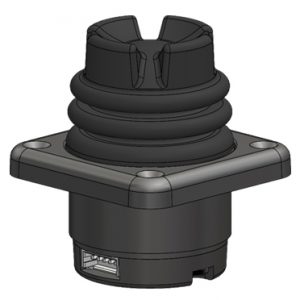
 Are replacement Hall effect modules compatible with adaptive triggers?
Gamepad builders often ask whether replacement modules work seamlessly with modern trigger tech, and the conversation frequently circles back to hall effect joysticks. Because they sense magnetic fields instead of relying on wipers, hall effect joysticks can outlast many mechanical parts. When upgrading consoles or custom pads, hall effect joysticks promise lower noise and tighter centering. For many enthusiasts, hall effect joysticks are the starting point for a complete control refresh.
As you weigh parts and firmware, the core decision often pits stock potentiometer sticks against hall effect joysticks in terms of stability and lifecycle. When latency and precision matter, hall effect joysticks prove attractive for linear response. Still, the big unknown is how hall effect joysticks behave alongside evolving trigger features. That’s why careful testing of hall effect joysticks against device-specific constraints pays off.
Understanding the electrical envelope, travel curves, and signal filtering helps determine if hall effect joysticks will complement your chosen controller. Certain shells accept hall effect joysticks with minimal filing, while others need spacer adjustments. On the software side, mapping tools can translate hall effect joysticks outputs cleanly. For competitive users, hall effect joysticks are often the final push toward consistent input.
Many PS5 and pro-pad owners ask about adaptive trigger compatibility, and whether a stick upgrade disrupts trigger feel or haptics. In practice, hall effect joysticks do not interfere with trigger electronics when installed correctly, though careful routing reduces crosstalk; for additional guidance, learn more.
If you swap sticks and also plan new trigger sensors, you’ll likely evaluate hall effect sensor modules for controllers that match your board voltage and ADC expectations. Keep cable runs short, twist signal leads where possible, and verify ground integrity before reassembly, then visit the site.
Installers choosing hall effect joysticks replacement kits should check shell clearances near the gimbal, confirm cap height, and compare stem profiles to avoid binding. After seating the modules, gently cycle full range in diagnostics to observe linearity and repeatability, and if you need a checklist, read more.
Some buyers ask whether the DualSense adaptive trigger support is affected by stick upgrades; the answer is typically no, provided trigger assemblies remain untouched and firmware stays current. The only caveat is ensuring no shared lines are strained during disassembly, and for repair notes, learn more.
A frequent source of confusion is controller trigger motor integration versus stick electronics. These are separate subsystems, so swapping hall effect joysticks should not alter trigger resistance effects, provided ribbon cables are reattached firmly and not pinched; for wiring tips, visit the site.
To maximize longevity, many modders pair hall effect joysticks with joystick drift prevention with hall sensors messaging from vendors that document sensor stability over temperature. Validate neutral stability by logging idle ADC counts across warm-up cycles, and if you want test scripts, read more.
Smooth response requires analog trigger calibration and deadzone alignment after any internal work. While trigger tuning is distinct from stick tuning, align both so that hall effect joysticks land near-zero at rest while triggers hit precise actuation points; for calibration utilities, learn more.
Electric specs matter, so confirm the hall sensor wiring pinout and voltage range for both stick modules and any trigger boards you handle. Mismatched references cause clipping or offset drift; a quick multimeter check avoids surprises, and for pin maps, visit the site.
If you plan a full rebuild, sourcing gamepad modding and repair parts from reputable suppliers reduces tolerance headaches. Match screws, shims, and membranes to your revision to keep hall effect joysticks centered without undue friction, and for sourcing advice, read more.
Advanced tuners sometimes add magnetic joystick and trigger feedback tuning to harmonize feel between sticks and adaptive triggers. By aligning magnet strength and response curves, hall effect joysticks can feel crisp without overpowering haptic resistance; for pro tips, learn more.
When troubleshooting nonresponsive triggers after a stick swap, remember that hall effect joysticks aren’t the usual culprit; reseat trigger flex cables, inspect motor connectors, and verify firmware. If sticks pass diagnostics but triggers fail, focus on actuation assemblies, then visit the site.
With PC adapters or aftermarket boards, firmware layers can remap curves so hall effect joysticks remain linear while adaptive triggers retain staged resistance. Keep backups of profiles before flashing, and if you need templates, read more.
Enthusiasts moving from scratchy inputs often find that hall effect joysticks remove micro-stutter at center. Because magnets avoid wear on resistive tracks, hall effect joysticks preserve fidelity under heavy use. In competitive shooters, hall effect joysticks make micro-corrections steadier, while in racing games, hall effect joysticks deliver predictable steering arcs.
If you prize minimal deadzone, hall effect joysticks provide tight neutral detection out of the box. Many brands bin sensors for balance so hall effect joysticks produce symmetrical left–right curves. Combine this with proper cap geometry and hall effect joysticks can transform aim consistency during long sessions.
Compatibility still comes down to precision fit and careful harnessing, yet well-chosen hall effect joysticks coexist cleanly with motorized triggers. Once calibrated, hall effect joysticks need little maintenance; dust shields help too. For travel tuning, hall effect joysticks respond well to light lubrication on bushings, not on the sensor.
Upgraders debating a mixed module build should remember that hall effect joysticks and adaptive triggers solve different problems. The former tackle directional fidelity, and the latter enhance tactile immersion. When paired thoughtfully, hall effect joysticks give you consistent axes while triggers supply variable resistance, and both systems can shine without conflict.
Field reports suggest that premium pads running hall effect joysticks exhibit fewer mid-season failures. Builders emphasize strain relief so hall effect joysticks don’t tug on solder joints. For storage, keeping pads in cool, dry spaces helps hall effect joysticks maintain center stability and low noise over time.
If you’re migrating an entire fleet, standardize on one supplier of hall effect joysticks to simplify spares. That consistency makes firmware tuning repeatable, and it shortens QA cycles. In the long run, hall effect joysticks cut drift-related returns, which is a practical win for studios, leagues, and repair shops alike.