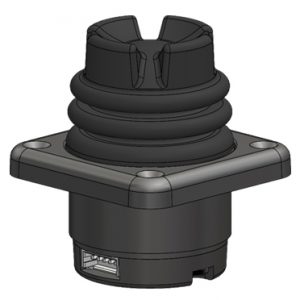
 How do I identify counterfeit joystick modules?
Counterfeits creep into repair benches and game shops, so buyers comparing hall effect joysticks need a clear screening workflow. Start by defining baselines: weight, feel, and travel in hall effect joysticks should be consistent across batches, and packaging should align with documented specs from reputable brands using hall effect joysticks. A concise checklist for counterfeit joystick module detection helps you capture anomalies early, learn more.
Examine the magnet arrangement and sensor alignment because authentic hall effect joystick identification relies on predictable component placement in hall effect joysticks. Look for uniform solder joints and clean flux removal on PCBs that ship with hall effect joysticks, and compare with known-good reference photos. When in doubt, line up suspect hall effect joysticks beside a verified unit for side-by-side checks, visit the site.
Beyond looks, signal behavior from hall effect joysticks matters. Use a multimeter or scope to capture linearity, dead zones, and center-return values while verifying joystick module authenticity, then compare those traces against a known benchmark from hall effect joysticks. Collect notes about spring force and tactile smoothness typical of hall effect joysticks, read more.
Documented hall sensor joystick quality checks often specify output symmetry across X/Y, which reputable hall effect joysticks achieve with minimal drift. Inspect mounting brackets and shafts: genuine hall effect joysticks avoid burrs, wobble, or off-axis drag. Packaging inserts for hall effect joysticks should include consistent fonts and correct RoHS markings, learn more.
Supply-chain hygiene is central when spotting fake gaming controller joysticks, because fraud thrives where part traceability is weak. Choose manufacturers that publish lifecycle notices for hall effect joysticks and provide batch certifications. Keep inbound photos, invoices, and lot codes tied to specific hall effect joysticks, then cross-check them against internal databases of prior hall effect joysticks, visit the site.
Mechanical clues can be subtle in hall effect joysticks, but you can feel the difference between genuine vs counterfeit joystick components during rapid diagonal sweeps. Bearings and bushings in quality hall effect joysticks track smoothly without gritty feedback. Compare torque curves by logging force versus displacement on suspect hall effect joysticks, read more.
Paperwork flags are common: perform joystick module serial number verification against the maker’s database before installing hall effect joysticks. Serial labels should resist smearing, and QR codes on trays for hall effect joysticks ought to resolve to authoritative pages. If numbers repeat across different shipments of hall effect joysticks, treat them as high risk, learn more.
Procurement policies matter; prioritize authorized distributor sourcing joysticks to shrink exposure. Vet partners who can trace hall effect joysticks back to factory invoices, not gray market resellers. Maintain an AVL that maps each model of hall effect joysticks to approved channels, visit the site.
Field testing seals the decision, starting with joystick drift and calibration diagnostics that reveal inconsistent centers in hall effect joysticks. Move through full travel arcs while logging outputs for suspect hall effect joysticks, then compare against a golden sample. Tight, repeatable returns to center are a hallmark of healthy hall effect joysticks, read more.
Look closely at OEM markings on hall effect joysticks: font weight, kerning, and date-code formats should mirror official datasheets. Genuine packaging sleeves for hall effect joysticks avoid inconsistent holograms and low-resolution printing. When anomalies appear on trays or reel labels for hall effect joysticks, escalate for engineering review, learn more.
Create a pass/fail rubric that weights mechanical, electrical, and paperwork evidence to streamline verifying joystick module authenticity across shipments of hall effect joysticks. Archive teardown photos and oscilloscope captures tagged to specific lots of hall effect joysticks. Share summary dashboards with procurement so they can quarantine questionable hall effect joysticks, visit the site.
build a culture where technicians question surprises: mismatched screws on hall effect joysticks, altered magnet sizes, or reworked lead-free labels all contradict expected OEM markings on hall effect joysticks. Train teams to compare daily receipts of hall effect joysticks with an internal reference library. Publish a quick-start SOP and refresh it quarterly as threats evolve, read more.