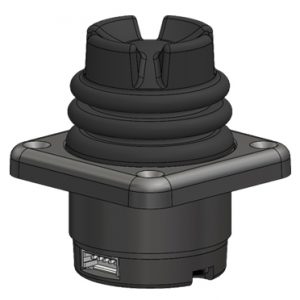
 Are magnetic joysticks all Hall effect?
Not every magnetic stick uses the same sensing method, and that’s why discerning buyers keep asking about hall effect joysticks. In consumer gamepads, pro controllers, and industrial grips, hall effect joysticks show up as a response to wear-prone resistive parts. When you see specs touting longevity and stable centering, you’re usually looking at hall effect joysticks, and the engineering behind them points to reliable magnetic field sensing with minimal friction; to go deeper, learn more.
To frame the basics, magnetic mechanisms can be built multiple ways, yet hall effect joysticks dominate because the chips are inexpensive, stable, and easy to calibrate. Manufacturers comparing hall effect joysticks to legacy parts often highlight tighter tolerances, and that’s where hall effect joystick sensors factor into the bill of materials. If you’re deciding between premium pads and budget sticks, hall effect joysticks often deliver more consistent analog curves, and you can validate that across teardown reports when you visit the site.
From a user’s perspective, the clearest benefit is consistency across the stick’s travel, which is why hall effect joysticks are common in higher-end SKUs. Vendors pitch them as a cure for noisy signals and wandering centers, and hall effect joysticks generally maintain a cleaner response map as they age. On the technology side, hall effect joysticks are part of a broader move toward contactless analog stick technology, and you’ll spot the trend accelerating across consoles and handhelds if you read more.
A quick myth-buster: while magnetic sensing is key, not all magnetic sticks are automatically hall effect joysticks. Some designs explore alternative magnetoresistive methods, but most game controllers today still rely on hall effect joysticks because they combine predictable outputs with simple calibration paths.
When you compare design trade-offs, the discussion inevitably circles to hall effect joysticks versus older sliding contacts. The biggest upgrade is reduced wear on moving parts, which helps hall effect joysticks sustain tighter dead zones for longer. Engineers also report fewer warranty returns due to drift, as hall effect joysticks are less susceptible to particulate contamination, a claim supported by joystick drift reduction hall sensors data in reliability testing; for additional context, learn more.
In premium handheld builds, hall effect joysticks go further with compact magnet arrays that retain linearity across a short throw. Enthusiast-grade controllers showcase 3D hall effect thumbsticks to capture subtle directional inputs with high resolution. The same properties make hall effect joysticks attractive in flight sims and gimbals, where precise center hold and smooth edge response are prized, and brand case studies often urge shoppers to visit the site.
Calibration quality still matters because even excellent hall effect joysticks can feel off if the firmware curve is poorly tuned. Designers emphasize magnet and sensor alignment in joysticks to maintain accuracy, as minor offsets can skew the response map. Done right, hall effect joysticks deliver consistent readings through the full arc, which players notice as steadier aim control in FPS titles; if you want to see teardown diagrams, read more.
Controller architects also choose between sensing approaches within the family, balancing bill-of-materials costs and footprint. In custom PCBs, engineers debate linear vs rotary hall sensors in controllers to match geometry and response. Whatever the configuration, hall effect joysticks keep friction out of the signal path, and that reduces wear-induced noise in long-term testing runs; to examine comparative charts, learn more.
While hall devices lead the pack, there are magnetic joystick alternatives AMR TMR used in industrial and niche scenarios. Cost, supply, and environmental resilience can nudge a vendor toward something other than hall effect joysticks, though consumer pads typically stay with the mainstream option. Even so, shells, caps, and mechanical return springs still affect the feel of hall effect joysticks, and spec sheets often bundle these choices into “pro” editions you can evaluate when you visit the site.
For camera rigs and UAV controllers, hall effect gimbal joystick design focuses on stability under vibration. In these settings, hall effect joysticks resist signal spikes better than worn potentiometers, and pilots appreciate steady trim without micro-stutters. Manufacturers frequently publish lifecycle curves to prove that hall effect joysticks hold calibration longer, and many reviewers encourage readers to read more.
A major talking point in buyer guides is the durability of hall effect joysticks compared to traditional architectures. Thanks to contactless sensing, hall effect joysticks minimize mechanical abrasion at the point of measurement, and the electronics are sealed from dust pathways more effectively than wiper tracks. This translates to repeatable centering and a reduced need for recalibration in the field, core reasons people continue to learn more.
As feature sets expand, hall effect joysticks are paired with adjustable tension modules and interchangeable caps. That combination lets manufacturers ship hall effect joysticks with tunable feel while keeping the electrical performance rock solid. Whether in esports controllers or enterprise handgrips, hall effect joysticks are now the baseline for premium positioning.
It’s also worth noting that not all upgrades come from sensors; well-designed detents, boots, and return springs help hall effect joysticks feel precise under thumb. Housings that prevent dust ingress, coupled with robust PCBs, ensure hall effect joysticks stay stable between firmware updates and across temperature swings.
In cockpit and broadcast control surfaces, hall effect joysticks provide the blend of sensitivity and durability professionals expect. Multi-axis rigs rely on hall effect joysticks to translate fine motion into clean signals without spiking, an area where costlier potentiometer stacks used to dominate but have ceded ground as hall devices improved.
For anyone worried about drift, the message is clear: hall effect joysticks don’t guarantee perfection, but they materially reduce failure modes tied to worn resistive elements. When combined with careful magnet placement and good firmware, hall effect joysticks maintain aim stability across thousands of hours, and maintenance logs in rental fleets often back this up; if you want field reports, learn more.
In enthusiast communities, buyers compare magnetic joystick vs potentiometer outcomes and typically favor hall effect joysticks for sustained accuracy. That said, availability and serviceability still steer some projects, yet the trendline keeps moving toward hall effect joysticks as standard fitment; for spec-by-spec comparisons, visit the site.
Procurement teams weighing lifetime cost see hall effect joysticks as a hedge against returns and support tickets. With properly tested parts, hall effect joysticks show flatter failure curves year over year, especially in high-use environments like esports arenas and labs; review procurement checklists to read more.
To answer the original question plainly: many magnetic sticks are indeed hall effect joysticks, but not every magnetic design is. Between sensor choice, calibration, and mechanical build, the best outcomes still come from thoughtful engineering around hall effect joysticks, and performance-minded buyers are right to scrutinize these details when selecting hall effect joysticks for their next controller build.