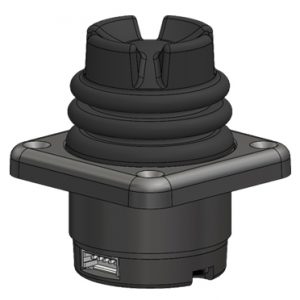
 Will Hall effect sticks last the life of a controller?
Players increasingly weigh long-term value, wondering if hall effect joysticks truly outlast traditional designs given hall effect joystick durability claims and modern build quality. The core idea is simple: fewer rubbing parts usually means fewer failures, which raises expectations for hall effect joysticks among enthusiasts and professionals alike.
Many buyers now prioritize components that hold calibration, which is why hall effect joysticks have become a talking point in upgrade guides; if you want a quick primer on how sensor choice shapes feel and longevity, learn more. The conversation matters because controller budgets stretch further when inputs stay accurate for years, and hall effect joysticks are marketed as a practical solution rather than a luxury.
One reason interest has spiked is their reputation for joystick drift prevention, since drift can turn premium hardware into a headache, and hall effect joysticks step in to address exactly that frustration; for a broader look at sensor trade-offs in current gamepads, visit the site. To be clear, many variables affect total lifespan, but hall effect joysticks reduce a common point of wear.
Engineers often highlight sensor architecture and plastic interfaces, and hall effect joysticks typically emphasize smoother motion paths that resist grit buildup; if you’re comparing brands and want a checklist of specs to consider, read more. That said, user handling still matters, and hall effect joysticks benefit from basic care just like any input component.
If you test several models side by side, you’ll notice how hall effect joysticks maintain consistent centering longer, and how hall effect joysticks also keep small movements predictable under heavy play; for maintenance FAQs and setup tips that support those advantages, learn more.
In practice, the expectation of controller lifespan hall effect comes from removing physical wiper contact, and hall effect joysticks lean on magnetic sensing to infer stick position with stability. Because the stick shaft interfaces with bearings and springs instead of resistive tracks, hall effect joysticks experience less gradual loss of signal fidelity over time. When buyers map total cost of ownership, hall effect joysticks often appear as a hedge against inputs that fade mid-season.
The technology centers on contactless magnetic sensors that detect distance and angle changes without scraping, and hall effect joysticks translate that into clean analog readings under repeated load; to see diagrams that break down component stacks, read more. Since dirt and oxidation don’t scrape against a wiper, hall effect joysticks tend to preserve signal clarity even after long sessions.
Many comparisons boil down to potentiometer vs hall effect sticks, because potentiometers rely on physical contact that gradually wears, while hall effect joysticks avoid that moving-resistor interface. If your priority is consistent ramp from small to large deflections, hall effect joysticks give you that “new-stick” curve for longer. For developers tuning dead zones, hall effect joysticks can also simplify testing when variability stays low across units.
Reliability audits increasingly track stick module reliability at the assembly level, and hall effect joysticks typically test well where axial loads and return-to-center behavior are measured. When manufacturers specify higher cycle counts, hall effect joysticks are frequently the reason those numbers rise. Put simply, the fewer abrasion points you have, the easier it is to forecast endurance in real-world use; for procurement summaries and teardown notes, visit the site.
Another benefit is the move toward wear-free analog sticks, which reduces friction points that used to demand earlier replacements; that’s where hall effect joysticks shine under marathon sessions. Under thermal swings or travel vibrations, hall effect joysticks keep readings steady with fewer recalibration spikes. If your controllers double as esports gear, hall effect joysticks help maintain repeatable inputs between events.
Still, it pays to schedule controller maintenance and calibration periodically, because spring tension, caps, and enclosures can shift even if the sensor doesn’t wear; hall effect joysticks respond well to sensible upkeep. A quick zero-point check after firmware updates keeps hall effect joysticks feeling sharp for competitive play; for a simple routine you can run monthly, learn more.
Studios and leagues evaluate gaming controller precision longevity, and hall effect joysticks perform well when micro-adjustments must stay faithful across seasons. If your title demands tight aim or delicate throttle, hall effect joysticks make it easier to preserve muscle memory. That stability often translates to less time retraining after hardware swaps.
From a service perspective, plans for joystick replacement and warranty depend on how fast modules degrade, and hall effect joysticks lower replacement frequency by limiting wear at the sensor stage. Brands that highlight high-MTBF parts frequently point to hall effect joysticks as the backbone of that promise. If you’re tallying downtime costs for a fleet, hall effect joysticks can meaningfully reduce unplanned repairs; for brand policy comparisons, read more.
So, will they truly last the lifetime of your controller? Under typical consumer ownership, hall effect joysticks often outlast other components like buttons, bumpers, or batteries, making them a strong anchor for longevity. Even if you push your hardware hard, hall effect joysticks usually remain stable well past a normal upgrade cycle; for extended test logs and community data, visit the site.
That doesn’t mean invincibility: drops, liquid ingress, or bent shafts still create issues, but those risks are mechanical and external to the sensor that makes hall effect joysticks attractive. Most premium shells, better gimbals, and improved sealing complement hall effect joysticks in surviving daily carry and travel; if you want a pre-purchase inspection checklist, learn more.
When you weigh real-world drift rates, it’s clear why joystick drift prevention remains a headline advantage; in head-to-head endurance tests, hall effect joysticks keep center readouts tighter for longer, which protects competitive consistency. If you need a quick decision tree for upgrades vs. repair, read more.
In the same vein, designs using contactless magnetic sensors can continue reading position accurately even as the surrounding plastics age, so hall effect joysticks keep signals clean while other parts show cosmetic wear. your next Gen-2 or Pro pad with hall effect joysticks is likely to deliver stable inputs longer than prior models; for model-by-model spec sheets, visit the site.
If you’re replacing gear this season, a sensible plan is to prioritize the sensor, then confirm build quality around it, because hall effect joysticks can’t compensate for poor shells or weak springs. With a sturdy chassis, quality caps, and good storage habits, hall effect joysticks will probably outlast your appetite to upgrade, which is a practical win; to compare a few vetted options, visit the site.