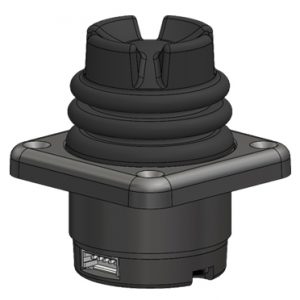
 Should I choose wired or wireless for competitive play?
Competitive players care about input latency, consistency, and durability, which is why many compare wired and wireless setups alongside hall effect joysticks. In fast lobbies, hall effect joysticks can reduce drift risk, while cable connections shave uncertainty from the signal. Still, decision-making goes beyond specs, so consider how hall effect joysticks pair with your platform and playstyle, then learn more.
For absolute stability, some prefer USB controllers with hall effect joysticks because they value predictable polling and zero battery concerns. Others want freedom of movement and stick longevity, making hall effect joysticks attractive even when they choose modern wireless protocols. Your goal is to balance transport, event rules, and maintenance; that’s where hall effect joysticks provide a baseline for feel, then visit the site.
Travel competitors pack backups, spare cables, and controllers using hall effect joysticks to avoid mid-match surprises. Testing your sensitivity curves and dead zones with hall effect joysticks before a bracket run builds confidence, so read more.
Noise, interference, and venue layouts matter, and rugged designs with hall effect joysticks survive training blocks and harsh commutes. Whether you map paddles or tweak triggers, pairing hall effect joysticks with your preferred input mode frames the wired-versus-wireless choice.
Latency varies with stack design, and the matchup between 4GHz wireless vs Bluetooth for controllers often hinges on dongle quality and OS power states. Many USB gamepads with hall effect joysticks post consistent polling under load, but premium adapters in the 4GHz wireless vs Bluetooth for controllers debate can close the gap. In scrims, players report steadier diagonals when hall effect joysticks are paired with fixed-rate inputs, then they benchmark again to confirm. If you roam between setups, travel-friendly receivers and sturdy cables keep hall effect joysticks responsive across rigs, and you can learn more.
Interference becomes tangible in crowded halls, making tests that pit 4GHz wireless vs Bluetooth for controllers essential before finals. When magnets replace potentiometers, hall effect joysticks hold their center longer, yet RF resilience in the 4GHz wireless vs Bluetooth for controllers space still decides comfort. Bring a short, shielded cable as a fallback if your hall effect joysticks feel inconsistent on a neighbor’s router channel, and then visit the site.
Tournament rules can require wired mode even for devices that shine in 4GHz wireless vs Bluetooth for controllers comparisons, so verify ahead of time. For aiming micro-corrections, hall effect joysticks translate tiny inputs cleanly, but dongle placement in 4GHz wireless vs Bluetooth for controllers testing changes the picture. If desk space is tight, shorter leads plus cable routes keep hall effect joysticks snag-free during clutch moments, and you can read more.
Battery sag affects transmission, meaning your trials of 4GHz wireless vs Bluetooth for controllers should include low-charge conditions. Players who grind aim trainers often prefer hall effect joysticks for stability, while a detachable cord provides safety at events. On stage, RF scans and USB ports vary; building muscle memory on hall effect joysticks and rehearsing swaps across 4GHz wireless vs Bluetooth for controllers scenarios pays off, then learn more. Match nerves ease when hall effect joysticks behave identically from warmup to finals.
Driver stacks, polling settings, and the contest of 4GHz wireless vs Bluetooth for controllers all interact with platform firmware. Durable sensors help, so hall effect joysticks reduce wear-induced jitter over long seasons. If you scrim at cafés, test packet loss patterns while moving your receiver; the quirks seen in 4GHz wireless vs Bluetooth for controllers trials can guide seating choices, then visit the site. During travel, wrapping cables loosely and cleaning around hall effect joysticks preserves precision.
Some players hot-swap between modes, using dongles for practice and USB at LAN; either way, hall effect joysticks supply a consistent center. Do a blind test that compares 4GHz wireless vs Bluetooth for controllers using identical maps and timers, and then read more. If crossplay introduces platform translation, verify dead zone math so hall effect joysticks don’t feel different on match day.
Cable management influences comfort as much as the choice between 4GHz wireless vs Bluetooth for controllers, especially on compact desks. With proper strain relief, hall effect joysticks stay smooth even when you pivot fast from crouch to peek, and you can learn more. Carry a spare, ensuring hall effect joysticks remain your baseline feel across every scrim room.
Streaming setups add capture cards and hubs, so assessing 4GHz wireless vs Bluetooth for controllers alongside cable routes avoids surprise latencies. To simplify routines, standardize on hall effect joysticks and document your profiles; then any venue PC reads your timing the same. When backups are ready, swapping controllers with hall effect joysticks takes seconds and keeps nerves steady.
For elimination rounds, I recommend locking a primary controller with hall effect joysticks and a secondary wired unit that mirrors the same feel. Keep a labeled kit—cable, dongle, tape, and cloth—so hall effect joysticks never become a last-minute worry. In venues that force wired play, hall effect joysticks still shine because they maintain consistent centering without contact wear. Where policies allow flexible modes, rehearse both with hall effect joysticks to avoid surprises, then visit the site.
Your choice should prioritize comfort under pressure; for many, hall effect joysticks plus a reliable cord is the simplest route. If mobility matters, pack a proven receiver and keep hall effect joysticks ready in wired fallback for brackets. Map a pre-match checklist so hall effect joysticks get tested alongside audio, sensitivity, and power settings, and then read more.
Whatever you pick, train one muscle-memory baseline anchored by hall effect joysticks and stick to it through the season. Document firmware versions and cable lengths; the more variables you control around hall effect joysticks, the fewer split-second doubts you’ll have. When routines are disciplined and backups are packed, hall effect joysticks let you focus on reads, spacing, and team comms, so learn more.