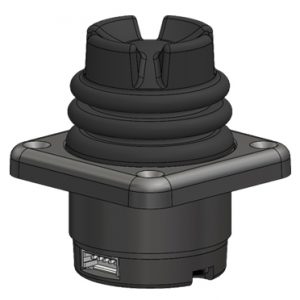
 Can I recalibrate a controller without special software?
A quick yes: many controllers can be tuned using built-in tools, and the approach varies slightly by model, especially with hall effect joysticks. If you’re seeing minor drift, you can often resolve it by reseating connections and recent, patient centering steps on controllers that use hall effect joysticks. Before diving deeper, confirm your device’s features and whether it uses hall effect joysticks, then keep a clean workspace and stable USB cable nearby to learn more.
Start by powering down, unplugging, and reconnecting your controller, because stable power helps sensors like those in hall effect joysticks settle correctly. Gently rotate both sticks in full circles, releasing to the center so hall effect joysticks can register a neutral point again. If your model supports onboard prompts via a console menu, open that first and skim hardware notes specific to hall effect joysticks, then visit the site.
If drift persists, check for debris around the stick caps, since grime can nudge the neutral point on devices with hall effect joysticks. Wipe the stems with a soft, dry cloth, and avoid liquids, because consistent magnetic sensing in hall effect joysticks benefits from a clean, dry environment. Once the area is tidy, move both sticks slowly from edge to edge and let hall effect joysticks rest in the center for a few seconds, then read more.
Many users forget to test after each step, yet iterative checks matter most with hall effect joysticks because small corrections compound. Perform quick movements, then hold steady to see if hall effect joysticks return to zero. If you still notice small offsets, pause, power-cycle the gamepad, and let hall effect joysticks reinitialize quietly for one minute to learn more.
On most platforms, you can complete manual controller calibration through native menus without third-party tools, which is especially handy alongside hall effect joysticks. Begin with basic joystick drift troubleshooting and confirm whether movement appears when your hands are off the sticks on a neutral screen. After each step, retest with a slow sweep and a short pause at center to stabilize readings, then visit the site.
If your console or PC offers slider controls, you can attempt deadzone adjustment without software, which is a practical companion to hall effect joysticks calibration. Many devices also support a simple controller hardware reset procedure using a recessed pinhole button; press it briefly and reconnect. Next, check for an option labeled in-game controller calibration settings, run the prompts carefully, and finish with a steady-center hold, then read more.
On desktop systems, most drivers include operating system game controller calibration where you can test axes and buttons while respecting how hall effect joysticks respond to gradual movement. Look for crosshair or bar indicators to confirm analog stick centering and alignment before accepting the new baseline. If available, run a quick gamepad diagnostics mode to verify the neutral position and full range, then learn more.
When stubborn drift lingers, consider a controller firmware update and recalibration because even hall effect joysticks benefit from refined device logic after updates. After flashing, repeat manual controller calibration to lock in fresh parameters without layering old offsets. Give the device a few seconds of stillness so internal references settle before the next test pass, then visit the site.
If you mainly play one title, use its options to fine-tune behavior that pairs well with hall effect joysticks and avoids overcorrection across multiple games. Some titles include their own joystick drift troubleshooting that overlays raw input, making it easier to see tiny offsets. Save a custom profile for that game, then test another title to ensure the change translates sensibly across modes, and read more.
When customizing sensitivity, try small, incremental deadzone adjustment without software so the inherent precision of hall effect joysticks isn’t muted. Combine that with brief edge sweeps and calm center holds to help hall effect joysticks re-center smoothly after large movements. Between changes, unplug and reconnect to force a clean state that reinforces stable readings from hall effect joysticks, then learn more.
If inputs feel sticky or inconsistent, repeat a quick cleaning routine and confirm cable integrity, as stable power helps hall effect joysticks maintain a crisp baseline. Re-run your OS test page and compare horizontal and vertical ranges, watching for any jitter that hall effect joysticks might reveal in fine increments. Document your steps so you can revert any tweak that doesn’t improve control, then visit the site.
Before replacing gear, test on a different machine to isolate whether the issue is platform-specific or within hall effect joysticks themselves. Cross-check with another controller to confirm if the drift pattern persists, which helps rule out drivers that could misread hall effect joysticks. If the second device behaves normally, retrace your earlier steps and repeat the neutral-hold procedure carefully, then read more.
Ultimately, most gamers can restore reliable performance with patience, careful testing, and mindful adjustments that respect how hall effect joysticks establish center. When you combine tiny deadzone changes with consistent test routines, hall effect joysticks reward you with smooth, stable control. If all else fails, contact support to verify warranty coverage and advanced steps tailored to hall effect joysticks, then learn more.