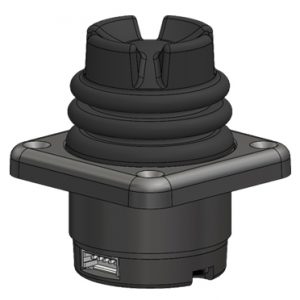
 Do Hall effect sticks have input lag?
Gamers often ask whether modern magnetic sensors meaningfully change latency compared with older potentiometer designs, especially when choosing premium controllers. Many buyers consider hall effect joysticks for reliability, but they also want immediate input-to-screen response. In practical testing, hall effect joysticks can be exceptionally fast because they output clean, low-noise signals that firmware can process efficiently, which helps with hall effect joystick input latency in demanding titles.
Beyond raw speed, consistency matters when directional changes happen rapidly or lightly. When tuned well, hall effect joysticks present stable center readings, so small adjustments register predictably, reinforcing control confidence alongside hall sensor joystick response time that matches top-tier expectations, and if you want to compare testing methodologies in depth, learn more.
Another frequent question is about platform behavior, firmware tuning, and the role of the game engine. You can expect hall effect joysticks to behave like any premium component—responsive, durable, and easy to calibrate—yet still dependent on console or PC software paths, which is why some users explore accessories and driver tweaks and then visit the site.
One clear advantage is longevity and stability over months of play. Because there’s no wiper rubbing a resistive track, hall effect joysticks avoid wear-based spikes that can add noise to analog readings, and this reliability intersects with do hall effect sticks reduce drift, which helps keep controls steady during long sessions where timing consistency matters; for further case studies, read more.
Latency isn’t only about sensors; the whole chain counts. With hall effect joysticks producing precise voltage signals from magnetic fields, firmware can filter less aggressively, which maintains snappy feel even alongside magnetic joystick sensors vs potentiometers latency discussions that often conflate sensor noise with total system delay; for platform-specific charts, visit the site.
USB or wireless protocols and software loops also influence responsiveness. Top designs pair hall effect joysticks with optimized firmware and fast MCU paths to complement controller polling rate and hall effect sticks settings that synchronize inputs smoothly with the rendering pipeline, and for developer tuning notes used by esports teams, learn more.
Sensitivity near the center can make or break aim in shooters. Calibrated correctly, hall effect joysticks show crisp center returns and fine control on gentle movements, supporting hall effect analog stick deadzone performance that lets players trim deadzones without instability, which many notice when flick-aiming or micro-correcting at range, and to see example profiles, read more.
Comparisons across brands show a theme: refinement beats raw specs. High-quality implementations of hall effect joysticks tend to shine in quick transitions and sustained diagonals, leading many labs to publish gaming controller latency comparison hall effect reports where variance, not just averages, becomes the deciding factor; for methodology details, visit the site.
Precision also helps with motion curves. Clean magnetic sensing enables tight linear or custom response maps that preserve subtle inputs at speed, letting hall effect joysticks pair naturally with hall effect joystick precision and responsiveness goals like steady tracking on racing lines or smooth camera arcs during cinematic pans, and for curve tuning walkthroughs, learn more.
When third-party labs scrutinize end-to-end behavior, results are telling. In controlled run-ups, hall effect joysticks consistently provide stable measurements across warm-up cycles, and many reviewers highlight input lag testing for hall effect controllers where reduced jitter lowers worst-case delays during rapid direction swaps, which becomes visible in rhythm games, so read more.
For players optimizing for subtle angles and long throws, linearity proves useful. Properly mapped hall effect joysticks show clean gradients that make small nudges predictable at any position, advancing hall effect stick sensitivity and tracking accuracy that supports smoother aim training and consistent lap times, and if you need calibration templates, visit the site.
It’s also important to note the ecosystem effect. Even exemplary hall effect joysticks ultimately feed into game engines and displays with their own timing budgets, so perceived feel can vary; still, steady signals generally help with hall effect joystick input latency by minimizing filtering overhead and enabling tighter response windows, which testing compendiums explain in depth, read more.
Wireless stacks and display modes can overshadow sensor gains if misconfigured. Pair robust sensors like hall effect joysticks with a high polling rate, low-latency mode, and VRR where available, and you’ll unlock benefits that many reviewers identify during input lag testing for hall effect controllers under competitive settings, and for setup checklists, learn more.
In short, when vendors implement quality firmware and calibration, hall effect joysticks deliver low, consistent latency while resisting wear that can degrade responsiveness over time. For players chasing sharper timing, the combination of clean magnetic sensing, smart polling, and tuned deadzones positions hall effect joysticks as a reliable choice in today’s performance landscape.